
Zirconia vs. Titanium Implants in 2026: Which Material Performs Better for Long-Term Bone Stability?
When a patient is looking for a long-term tooth replacement solution, one of the most important choices they can make is between zirconia and titanium dental implants. The conversation has come a long way since 2026. Both materials now have great clinical records, and the question is no longer just which one works, but which one works best for your body, lifestyle, and long-term bone health goals.
It's important to know the science behind each material, whether you're going to the dentist for the first time because you've lost a tooth or going back to a decision you made years ago.
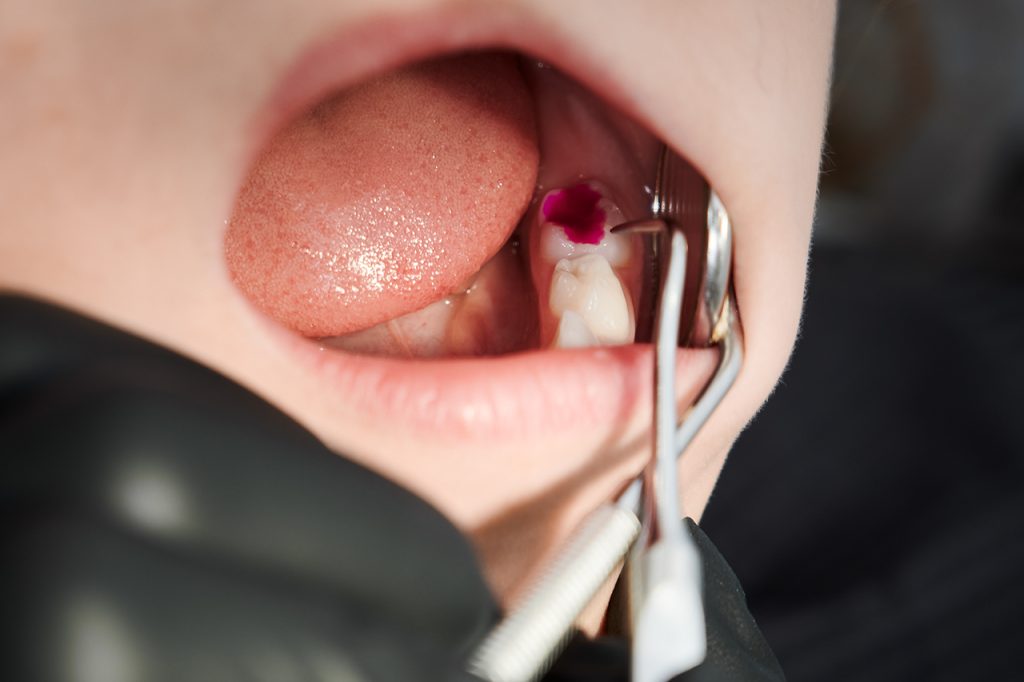
The Fundamentals: What Sets These Two Materials Apart
For more than 50 years, titanium has been the best material for dental implants. The biological process of osseointegration, which is the direct structural and functional connection between living bone and the surface of the implant, is what makes it work so well. The oxide layer on titanium naturally bonds with bone tissue, which makes it very strong over time. The material is also very strong, doesn't rust, and has a lot of clinical research behind it.
Zirconia, a ceramic-based material made from zirconium dioxide, has only recently become popular in mainstream dentistry, but it is growing quickly. Because it is naturally tooth-colored, it is very appealing to people with thin gum tissue or those who just want a metal-free option. Modern zirconia dental implants are made from high-strength monolithic zirconia, which has solved earlier problems with brittleness and fracture resistance.
Osseointegration and Bone Stability: The Critical Comparison
The quality of osseointegration is the most important factor for long-term bone stability. Clinical studies published until early 2026 consistently show that titanium dental implants have osseointegration success rates of 95–98% over ten years. The rough, micro-textured surface of the material, which is often improved by sandblasting and acid etching, helps bone cells adhere to it and grow.
Recent data show that zirconia dental implants have very good osseointegration results, and short- to medium-term studies have similar success rates. Zirconia's surface chemistry is hydrophilic, which means it attracts water and helps cells attach to it quickly. But zirconia's long-term bone remodelling data are still behind titanium's because zirconia has been used in clinical settings for a shorter amount of time. Most zirconia studies only look at data for five to seven years, but titanium implants now have data sets that go back decades.
In terms of peri-implant tissue health, zirconia really does have an edge. Studies show that zirconia surfaces collect less bacterial biofilm than titanium surfaces. This may lower the risk of peri-implantitis, an inflammatory condition that can cause bone loss around dental implants. This is an important difference for people who have had periodontal disease before.
Mechanical Performance: Strength, Fracture Risk, and Longevity
When it comes to mechanical strength, titanium is still the best choice. Because it is ductile, it can bend a little under load without breaking. This is an important property to have in mind because dental implants are constantly being bitten on throughout the day. You can also get titanium tooth implants in a wider range of shapes and sizes, such as two-piece systems that make it easier to design prosthetics.
Zirconia is stronger than titanium when it comes to compression, but it is more brittle and has a higher risk of breaking when pushed sideways. Early one-piece zirconia designs made this problem worse by needing angled forces when putting on the crown. Many modern two-piece zirconia systems have solved this engineering problem, but some dentists are still hesitant to suggest them to patients who grind their teeth or have strong bites. For implants in the back teeth, such as molars and premolars that bear the most chewing stress, titanium is still the safer choice.
Aesthetics and Soft Tissue Response: Where Zirconia Shines
Zirconia is a great choice for patients who care about how their teeth look, especially those who are getting implants for front teeth that show when they smile. Because it is white, there is no chance of a grey metallic shadow showing through the gum line. This is a problem that can happen with titanium dental implants in people with thin or receding gum tissue.
The soft tissue response around zirconia is usually very good. Research indicates reduced gum inflammation and enhanced gingival health indicators near zirconia restorations. Zirconia gives patients who have chosen dental implants to restore a natural-looking smile after losing a tooth peace of mind that titanium simply can't match in terms of looks at the gum line.
Biocompatibility and the Metal-Free Consideration
Titanium is generally thought to be safe for the body, and only about 0.6% of the population has an allergy to it. That said, more and more tech-savvy patients are looking for metal-free options as part of a bigger plan for their health and wellness. For this group, zirconia dental implants are an attractive option that is supported by more and more solid science.
Zirconia is completely inert, which means it doesn't conduct heat or electricity. Some patients find this comforting. This is important in modern dentistry, where biocompatibility and minimally invasive methods are becoming more important. People who have been sensitive to metals in the past or who have chosen not to use metals in other parts of their health care often find that zirconia fits better with their personal beliefs.
Cost, Availability, and What to Discuss With Your Dentist
In Australia, titanium dental implants are usually the cheaper option, while zirconia alternatives usually cost more. The difference in price is because zirconia parts are harder to make and require special training to put in. Not all dentists offer zirconia as a standard option. Some practices focus on it, while others may suggest titanium as their default because of their own training and the amount of clinical evidence that is available.
If you're thinking about getting dental implants instead of dentures or are looking into dental implants for the first time, you should have a full consultation with an experienced implant dentist that includes an honest discussion of both options. The best material for your situation will depend on your bone density, the location of the missing tooth, your aesthetic expectations, your bite pattern, and your overall health.
Neither zirconia nor titanium is always better; the best material for a patient depends on their needs. Titanium dental implants are still the best choice for long-term use, mechanical strength, and use in different types of bone and jaw locations. They are still the safer choice for high-load posterior restorations and for patients who want their implants to last as long as possible.
Zirconia dental implants, on the other hand, are a great choice for people who care about how their teeth look, people who are sensitive to metal, and people who are replacing front teeth where the look of the gums is very important. The material's ability to keep bones stable is strong and getting better, even though the longitudinal data isn't as deep as titanium's yet.
In the end, the best dental implant is the one put in by a skilled and experienced dentist who takes the time to look at your specific anatomy and goals. As implant technology gets better, both materials will get better, too. However, in 2026, titanium still has the most evidence weight, while zirconia is quickly closing the gap for the right person.