
Invisalign for the Overbite-Only Crowd: What to Expect When Your Bite (Not Your Smile) Is the Problem
Most people think of Invisalign as a way to get straighter teeth by closing gaps, correcting crowding, and improving the appearance of a smile. But more and more people are going to the dentist with a different problem: their bite. In particular, an overbite. For this group, the looks of clear aligners don't matter much. What they want is functional relief: a correction that keeps their upper front teeth from overlapping too far down over their lower ones. This can cause jaw pain, uneven wear, and long-term dental problems.
The good news is that Invisalign has improved a lot, and fixing an overbite is now well within its reach. This guide is for you if you have straight teeth, but your bite has always felt off. If your main concern is the bite and not how it looks, here's what to expect.
Understanding the Overbite: More Than Just a Cosmetic Issue
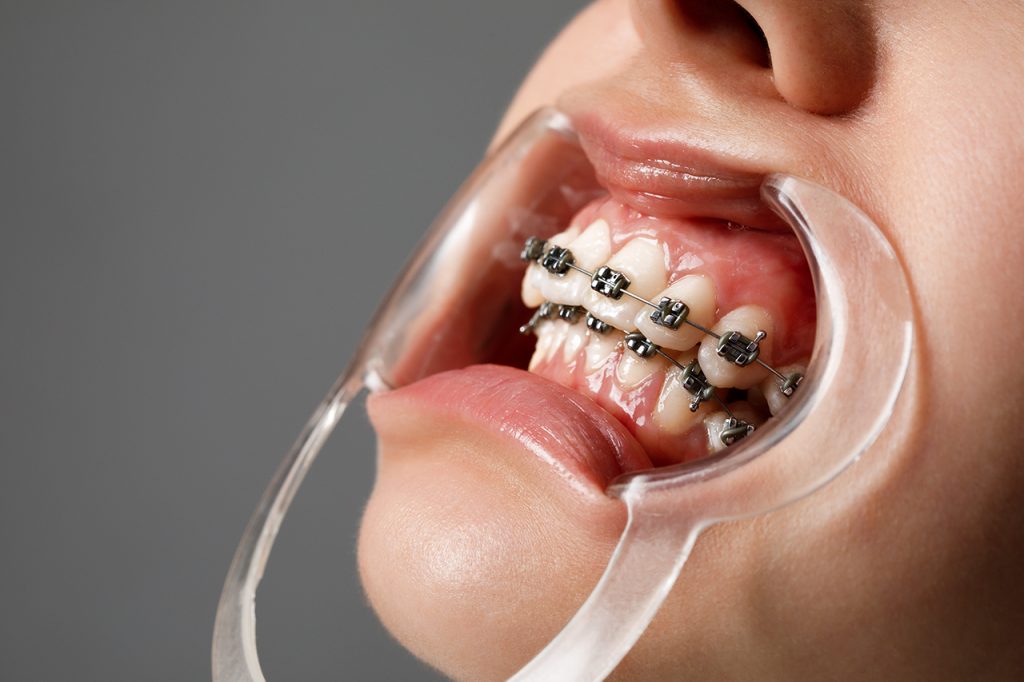
When the upper front teeth overlap the lower front teeth vertically by more than what is normal, this is called an overbite or deep bite. It's normal and healthy for there to be a little overlap. When that overlap gets too big, problems happen. In some cases, the upper teeth almost completely cover the lower teeth when the mouth is closed.
If not fixed, a big overbite can speed up the wear on the lower front teeth, cause pain in the jaw joint (TMJ), and, in more serious cases, damage the gums and palate. It can also put too much stress on some teeth, making them more sensitive and even causing them to crack over time.
So, even though a person with an overbite may not care about how their smile looks, the effects on their dental health are real and need to be dealt with. This is why orthodontic treatment for overbites is considered both functional and therapeutic, not just cosmetic.
How Invisalign Fixes an Overbite
In the past, metal braces with elastics were used to fix overbites. This meant using rubber bands attached to the upper and lower arches to slowly move the jaw into the correct position. People used to think that clear aligners weren't as good for this kind of correction because they didn't have the same kind of continuous force mechanics that braces do.
Invisalign treatment has changed a lot over the years. The system now has precise bite ramps, features that move the jaw forward, and attachments (small tooth-colored bumps bonded to the teeth) that give the aligners something to hold on to and push against. In moderate overbite cases, these new features let Invisalign aligners do a lot of what regular braces can do. You can also use elastics with Invisalign by threading them through small hooks on the aligners. This lets you move your jaw in the same way that braces have always done.
During your first visit, your Invisalign dentist will check how bad your overbite is. Clear aligner treatment works well for people with mild to moderate overbites. In cases of severe skeletal overbites, where the jaw structure is the main problem, orthodontic or even surgical treatment may still be needed, but these cases are less common.
What Your Dentist Will Be Looking For During the Consultation
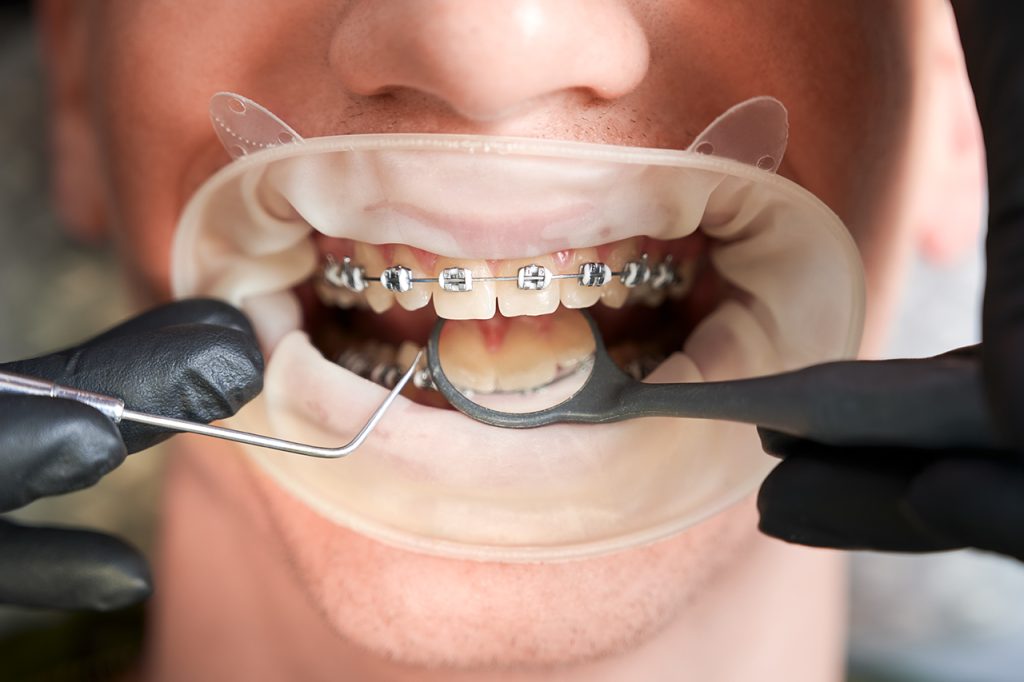
When you go to the dentist or orthodontist about an overbite, they don't just look at your teeth. To get a better idea of the overlap, your doctor will often take digital scans or impressions of your bite, which may include 3D imaging. They will also look at whether the overbite is dental (caused by the position of the teeth) or skeletal (caused by the structure of the jaw), since this makes a big difference in how the problem is treated.
Clear aligners from Invisalign work best for dental overbites. Your dentist will use the Invisalign ClinCheck software to plan out how your teeth will move and show you a simulation of how your teeth and bite will look when the treatment is over during your consultation. One of the best things about getting braces with Invisalign is that you can see how your teeth will look before you even start.
Be honest with your dentist about any problems you are having. If your jaw hurts, you hear clicking sounds when you open or close your mouth, you get headaches, or some of your teeth are sensitive, these could all be signs that your overbite is already causing problems. This information will help your doctor make your Invisalign treatment plan more specific to your needs.
What the Treatment Timeline Looks Like
Patients often ask how long it takes to fix an overbite with Invisalign compared to regular teeth straightening. The truth is that correcting an overbite often takes longer than just fixing the alignment of the teeth for cosmetic reasons. This is because moving the bite involves more complicated movements of the teeth and jaw.
Treatment for mild dental overbites can last anywhere from 12 to 18 months. Moderate cases can last anywhere from 18 to 24 months. During this time, you will get a series of Invisalign aligners, each of which you will wear for about one to two weeks before moving on to the next set. Each aligner in the series moves your teeth a small, exact amount, gradually getting them to the correct position.
You usually go to the dentist or orthodontist every six to eight weeks to see how things are going, get new aligners, and make sure the treatment is going as planned. These check-in appointments are quick but important because they let your doctor catch and fix any problems with the planned tooth movements early.
Wearing Your Aligners: The Rules That Make the Difference
Invisalign only works if you follow the rules. Clear aligners are different from braces because you can take them off whenever you want. Braces stay on your teeth all the time, whether you want them to or not. One of their most well-known benefits is that they are flexible, but this also means that patients might not wear them enough.
Consistency is even more important when it comes to fixing an overbite. In order for the bite ramps and precision attachments in your Invisalign aligners to work, they need to stay in touch with your teeth all the time. Most people say that you should wear your aligners for 20 to 22 hours a day and only take them off to eat, drink anything other than water, or brush your teeth. If you regularly fall well below this level, it will slow your progress and could even hurt the final result.
Some people have a hard time making this change in the first week or two. At first, your speech may be a little off, and your teeth may hurt after you switch to a new aligner. This is all perfectly normal. Most patients get used to life with aligners quickly, and the discomfort usually goes away in a few days.
What Attachments and Elastics Do
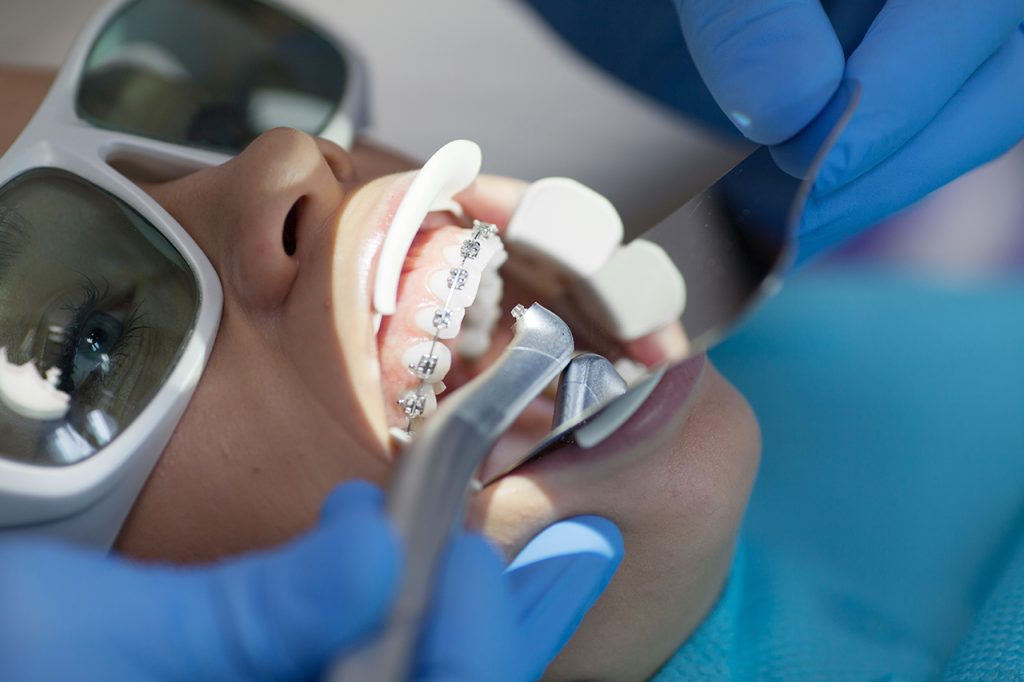
Your dentist will attach small, tooth-colored resin bumps to certain teeth before or during the early stages of treatment if your overbite needs attachments. This is very common for bite correction. These attachments work like anchors and levers, giving the Invisalign aligners something to hold on to while they work to fix your bite. They are discreet and blend in with the color of your natural teeth, but if you look closely, you will see them.
Your treatment plan might also include elastics. Your dentist may give you elastics to wear with your aligners if they think you need inter-arch forces, which is when pressure is put on both the upper and lower jaws at the same time. These are like the elastics that go with regular braces, and they only work if you use them all the time. Your dentist will show you exactly how to put them on and take them off, as well as which teeth to hook them between.
Choosing the Best Invisalign Provider
Not all providers of Invisalign have the same amount of experience fixing complicated bites. While general dentists can get certified to offer Invisalign, people who want to fix an overbite may be better off seeing an orthodontist. An orthodontist is a dentist who has finished extra training in how to align teeth and jaws. Orthodontists deal with bite problems every day, so they've probably seen a lot of cases like yours.
When picking a provider, make sure they are an Invisalign dentist or orthodontist who has a lot of experience fixing bites. Ask to see examples of work they've done before and after, ask how much experience they have with attachments and elastics, and make sure they offer a thorough initial assessment instead of a quick consultation. Dentistry has come a long way, and skilled orthodontists today can get results that were not possible even ten years ago.
The cost and difficulty of Invisalign treatments depend on the case. Overbite correction is on the more complicated end of the scale, and the prices will show this. A lot of dentists offer payment plans, and some health funds in Australia will pay for part of the cost of braces. Before you make a decision, it's a good idea to check your coverage and ask the practice about payment plans.